Ukraine Support Tracker: energy support reached EUR 1 billion in the winter 2025/26
Ukraine’s energy support has become a key focus of humanitarian aid to the country: with almost EUR 1 billion allocated, the share of energy support reached more than half of all humanitarian aid during the last winter. A large share of the funding was channeled through pooled international financing instruments, underscoring their growing importance. These findings are based on the latest update of the Ukraine Support Tracker, which covers aid allocations through February 2026.
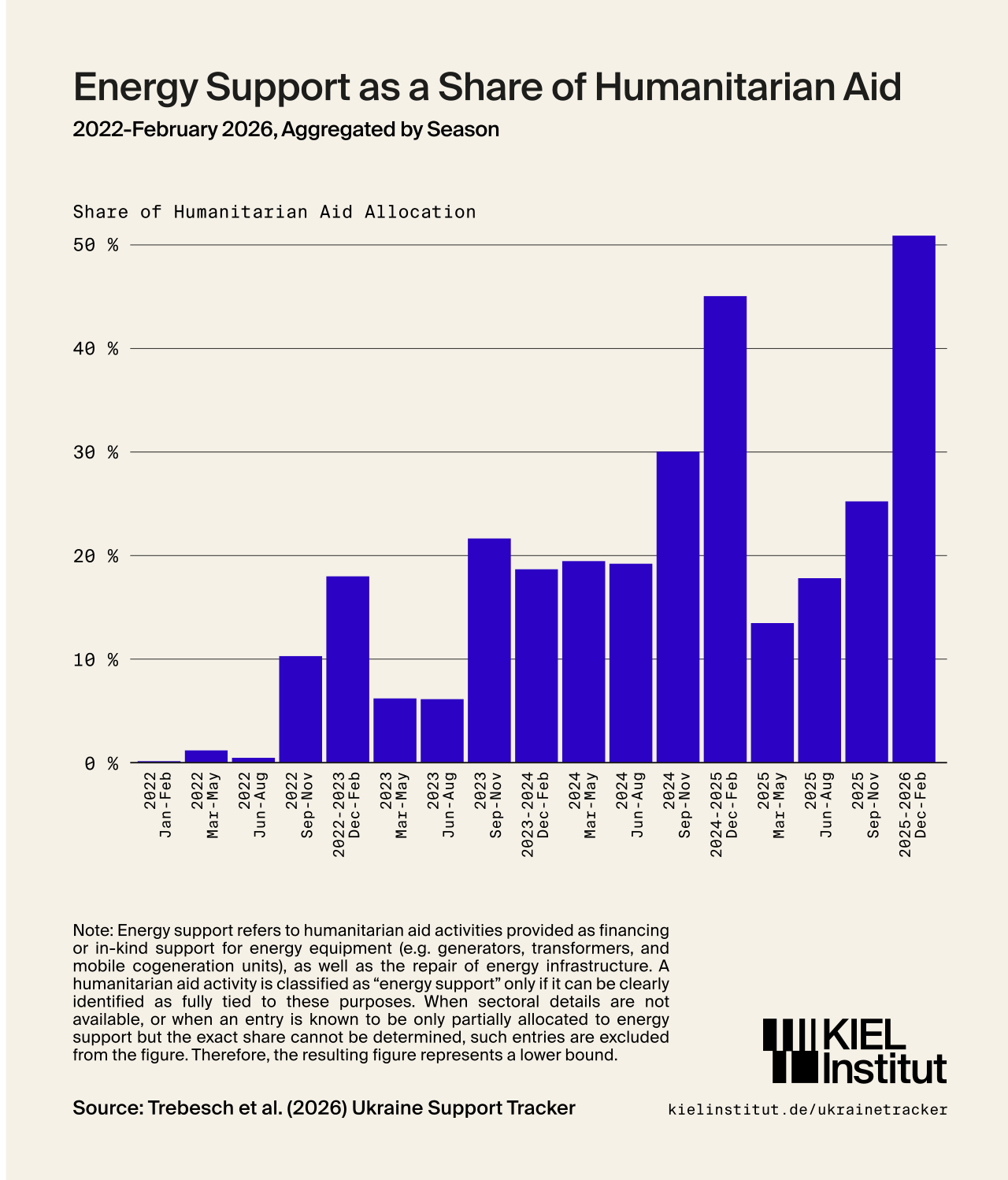
In the winter of 2025/26, energy support became the dominant type of humanitarian aid allocations for Ukraine, including financial and in-kind measures for energy equipment (e.g. generators) as well as for the repair of energy infrastructure. The share of energy aid in total humanitarian aid increased from 15 percent in the autumn and winter of 2022/23 to 19 percent in the following season, and to now 42 percent in 2025/26. Within just three months, between December 2025 and February 2026, almost EUR 1 billion was allocated to energy support, accounting for more than half of all humanitarian aid allocated during this period.
Around 59 percent of energy support is channeled through the UESF
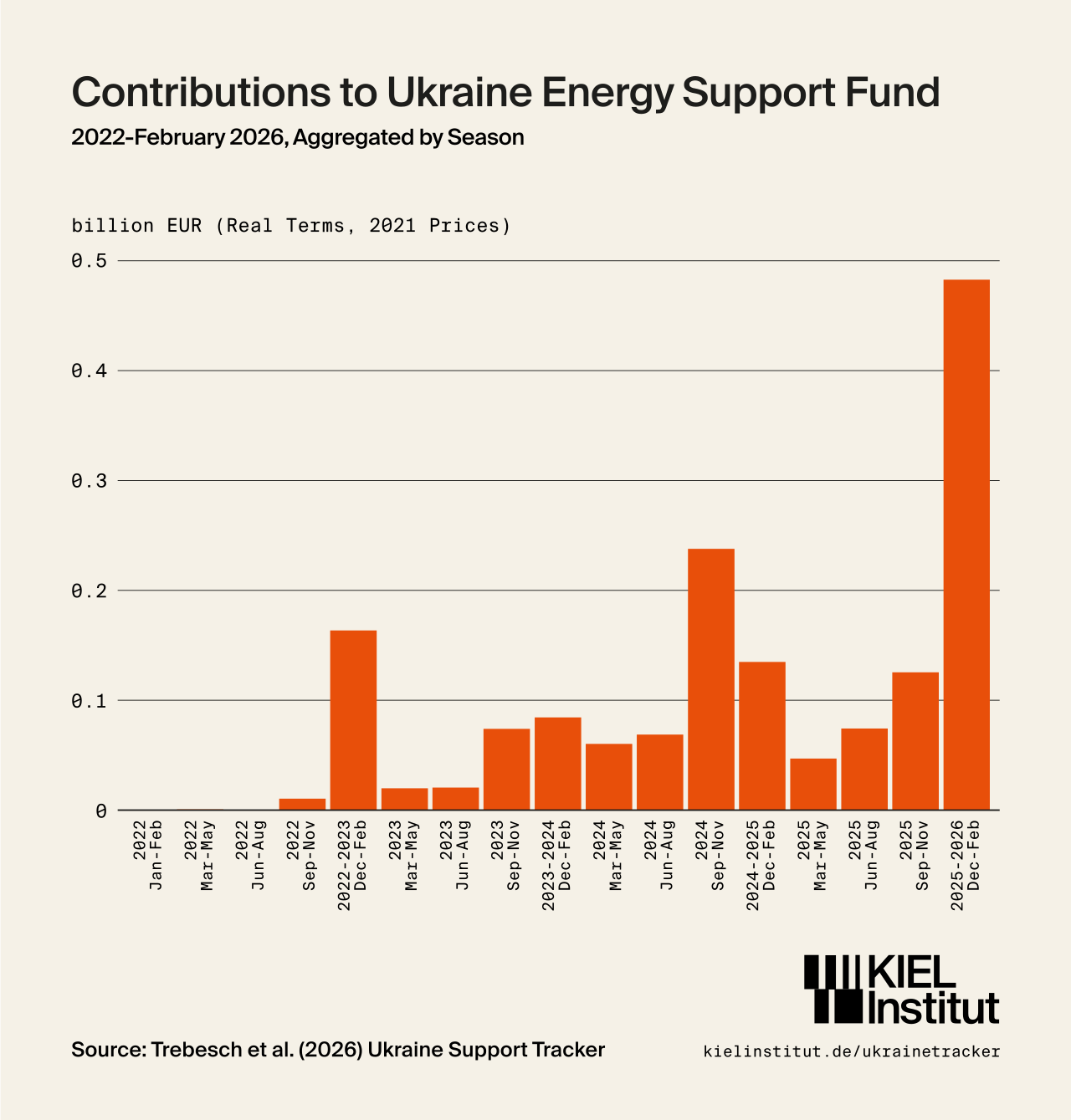
A second trend is the growing use of multilateral instruments for energy support. Between December 2025 and February 2026, EUR 580 million—equivalent to roughly 59 percent—was allocated via the Ukraine Energy Support Fund (UESF). The UESF pools contributions from multiple donors and finances targeted equipment and technical measures to address urgent energy needs. In real terms, UESF contributions during the winter of 2025/2026 reached a record high, more than double the previous peak. During this period, 18 donors contributed to the UESF, with the five largest donors (Sweden, Germany, EU institutions, Norway, and the Netherlands) alone providing around EUR 470 million.
"Energy support has emerged as a central focus of international efforts to support Ukraine during the winter of 2025/26—a period often described as ‘the coldest winter since the outbreak of the war,’" says Taro Nishikawa, Project Lead for the Ukraine Support Tracker. "Against this backdrop, pooled funding mechanisms like the Ukraine Energy Support Fund are becoming an increasingly vital tool for filling such urgent gaps."
About the Ukraine Support Tracker
The Ukraine Support Tracker tracks and quantifies military, financial, and humanitarian assistance pledged to Ukraine since January 24, 2022. Included are 41 countries, specifically the EU member states, the other members of the G7, Australia, South Korea, Turkey, Norway, New Zealand, Switzerland, Turkey, China, Taiwan, India, and Iceland. It includes pledges made by the governments of these countries to the Ukrainian government; aid pledged by the EU Commission and the European Investment Bank is listed separately; private donations or those from international organizations such as the IMF are not included in the main database. Nor does it include aid to Ukraine's neighbors, such as Moldova, or to other countries, such as for the reception of refugees.
Data sources include official government announcements and international media reports. Aid in kind, such as medical supplies, food, or military equipment, is estimated using market prices or information from previous relief operations. In cases of doubt, the higher available value is used. The Ukraine Support Tracker is constantly being expanded, corrected and improved. Feedback and comments on our methodology paper and dataset are very welcome. You can reach us at ukrainetracker@ifw-kiel.de.
More information and all detailed data can be found on the Ukraine Support Tracker webpage.