Next-Geo Program
Supporting Europe’s Best Junior Researchers in Geoeconomics
The Next-Geo program, now in its second year, is a pan-European research and training program for junior researchers focusing on geoeconomics. Our aim is to support the next generation of geoeconomists.
The program is coordinated by the Kiel Institute in cooperation with CEPR, Bocconi University (IEP), and Oxford University Department of Economics, funded by Stiftung Mercator.
Every year, Next-Geo will bring together a cohort of around 10 junior scholars conducting research on geoeconomics. We invite advanced PhD students and early Postdocs from economics and related quantitative fields across Europe to apply.
The program has a one-year duration and is conceived as an add-on fellowship program for junior scholars. The program should complement the training and mentoring at their home university or institution, focusing specifically on geoeconomics. We will provide academic lectures, research training, project mentoring, policy advisory training, and many networking opportunities in geoeconomics. We also provide concrete research support by offering access to student research assistants and funding for data purchases and/or AI tokens.
Call for Applications 2027
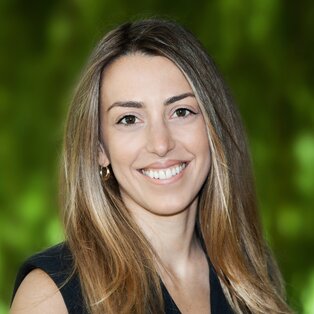
Research project: Ports of Power: The Effect of Chinese Port Acquisitions on the European Trade Network
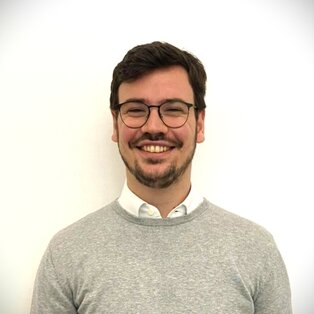
Research project: Exchanging Goods with Rules in Trade Agreements
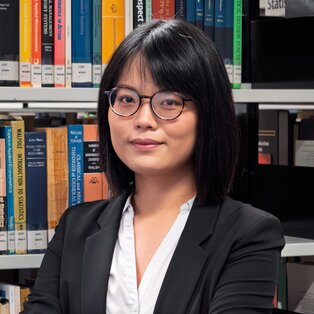
Research project: Gold Refining, Downstream Trade Shocks, and Conflict: Evidence from the DRC
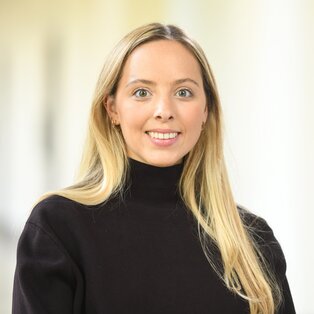
Research project: Restricting Access to Technology: Evidence from Export Controls on AI Chips

Research project: Oil Shipping and Pirates
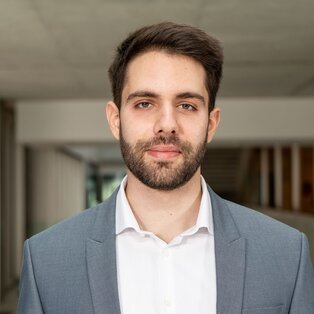
Research project: Industrial Capacity as a Military Deterrent
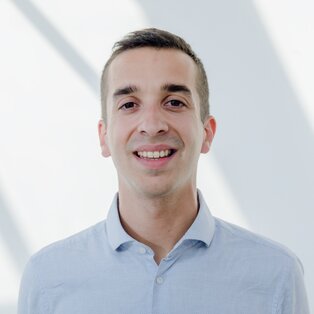
Research project: The Global Democratic Deficit: Institutional Asymmetries and the Provision of Global Public Goods
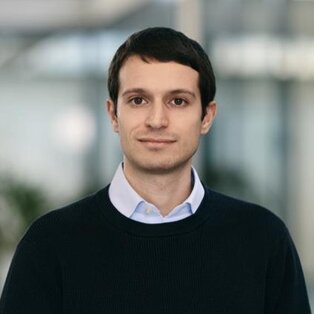
Research project: Mobility Frictions and the Geography of Innovation
Cohort 2026
Purpose of the program
The first research and training program in geoeconomics
The interplay between economics and geopolitics is becoming ever more important in a rapidly changing world order. The demand for excellent research and expertise in geoeconomics is high. However, there is still little systematic training on the topic. Next-Geo aims to change that.
Next-Geo is the first research and training program focusing exclusively on the growing field of geoeconomics. We aim to support Europe’s best PhD students and early Postdocs who focus on geoeconomics, broadly defined. Most students should be from economics but we may also include top candidates from closely related quantitative fields.
The research topics can include, among others, economic security, trade coercion and fragmentation, industrial policy, sanctions design and evasion, global financial flows, economic aid, climate and energy transition, and defense economics.
Connecting young geoeconomists across Europe
Young researchers working on geoeconomics are scattered across Europe, often isolated within their departments and academic communities. Few universities have specialized professors with the specific expertise to optimally supervise students on geoeconomic topics. We aim to overcome this fragmentation by building a strong network of early-career researchers in geoeconomics and connecting young economists working on the topic – both with one another and with leading senior scholars across institutions and countries.
Who should apply?
Advanced PhD candidates and early Postdocs in economics from/in Europe:
- excellent CV and track record
- in economics, exceptionally also in closely related quantitative research fields
- working on geoeconomic research
- enrolled or employed at a European university or research institution as a PhD student or early Postdoc (program start up to 2.5 years post-PhD). European nationals at overseas institutions may also be eligible in selected cases.
- excellent English skills
The program is an add-on program for those conducting their PhD or PostDoc at a European institution. As such, it does not provide an employment contract, stipend, living expense allowance, or formal degree. We only fund travel and accommodation for on-site modules, and research support. Participants remain fully enrolled or employed at their home institution and will have no claim of employment or enrollment at the Kiel Institute.
We particularly encourage applications from female researchers. All nationalities are eligible if employed or enrolled in Europe.
How to apply
Applications should include:
- CV
- Cover letter
- 1-page research project sketch
- Writing sample, e.g. third-year paper, job market paper
- Names of two potential references (contact information in your CV suffices)
Successful candidates will have to provide a proof of enrolment or employment and, if employed, a written permission by the employer to participate in the program.
Funder