The Fed should hold rates steady - Stagflationary risks dominate Chairman Walsh's first decision
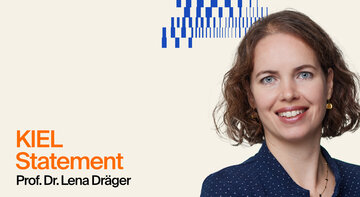
Lena Dräger, Research Director of the Monetary Macroeconomics Group at the Kiel Institute for the World Economy, comments on the expected decision by the Federal Reserve to hold the federal funds rate constant today:
"Kevin Walsh will face a stagflationary situation in his first meeting as Fed Chair: inflation in the United States is accelerating sharply while growth is slowing. The Fed should keep the federal funds rate steady in the range of 3.50 to 3.75 percent in such circumstances.
The economic situation in the United States is strained. Inflation jumped to 4.2 percent in May—the highest level since April 2023, driven by elevated energy prices stemming from the conflict with Iran. The fact that price pressures have now broadened to other goods and services such as travel costs, housing costs, and medical services is evident from the rise in core inflation to 2.9 percent. Meanwhile, the economy is losing momentum: real GDP growth was only 1.6 percent annualized in the first quarter, consumer spending rose by just 1.4 percent, and residential investment has fallen for the fifth consecutive quarter. The unemployment rate remains stable for now, though the number of long-term unemployed has increased. This is the classic stagflation configuration: rising prices and slow growth moving hand in hand.
The first interest rate decision under newly appointed Fed Chair Kevin Walsh has, beyond its economic dimension, a strategic component as well. A rate pause is strategically correct on this front, too. Fed Chair Kevin Walsh can thereby strengthen his reputation and demonstrate that he takes inflation control seriously. A premature rate cut would undermine confidence in the Fed's commitment to price stability under his leadership. At the same time, the market environment is fragile: the yield curve is flat, with recession probabilities exceeding 30 percent. Given the Fed's dual mandate, this supports a decision against a rate increase at the present time. Should inflation pressures persist, however, this would increase the likelihood of a rate increase in the second half of the year. Walsh now has the opportunity to demonstrate that the new Fed leadership acts independently and in a data-driven manner, taking stagflationary risks seriously."