A single rate hike is appropriate — but a series of hikes is not
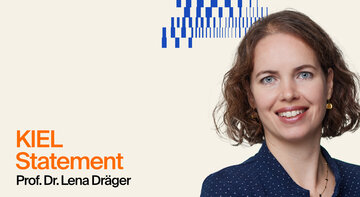
Lena Dräger, Research Director of the Monetary Macroeconomics Group at the Kiel Institute for the World Economy, comments on the European Central Bank’s (ECB) expected decision to raise the policy interest rate:
“At its meeting on September 10, 2026, the ECB is likely to raise the deposit rate by 25 basis points to 2.50 percent. This move is appropriate. However, communication regarding the future interest rate path is crucial, as the data picture has shifted since June. According to Eurostat’s flash estimate, headline inflation in the euro area rose to 3.3 percent in August, up from 2.9 percent in July. However, the increase is almost entirely due to energy prices: Energy prices rose by 14.3 percent in August, up from 10.3 percent in July, while the core inflation rate excluding energy and food prices has remained unchanged at around 2.4 percent since June. Price increases for both services and food have declined slightly since June. The broadening of price pressures feared in June has thus not materialized for the time being.
Price pressure continues to stem from the supply side. The war in Iran and uncertainty surrounding the Strait of Hormuz are keeping oil and gas prices high. This rise in costs has not yet been reflected in wages: collective bargaining agreements remain moderate, and the ECB’s wage indicator has not yet shown any acceleration in wage growth. Consumer inflation expectations have also declined somewhat recently, though they remain above the 2 percent inflation target. The path by which high energy costs could further drive up inflation runs primarily through food prices: energy is embedded in fertilizers, fuel, processing, and transportation, and these costs only affect retail prices with a considerable delay. Food prices are barely rising yet, but the Eurosystem’s projections to date foresee a sharp increase by the middle of next year—and that does not yet factor in the crop damage caused by this year’s summer heat.
This situation leads to a clear recommendation: Raise the key interest rate now and then pause. Futures markets are currently pricing in several more rate hikes, while most economists expect a pause following this meeting. A series of rate hikes would exacerbate the real income loss already triggered by the energy price shock, and it would not take full effect until 2027—precisely when the direct energy price surge would subside, assuming no further escalation. This would also put the economic recovery at risk, which has recently begun to gain some momentum in Germany. A single rate hike is therefore appropriate as a precautionary measure against inflation expectations becoming unanchored. This should be coupled with a clear indication that further hikes should only be considered in the event of a significant deterioration in the inflation outlook. In doing so, the ECB should closely monitor food prices, as they influence households’ perceived inflation more than any other component.”