
US-China Tariff Pause: Some Relief for USA and China, Minimal Effects on EU
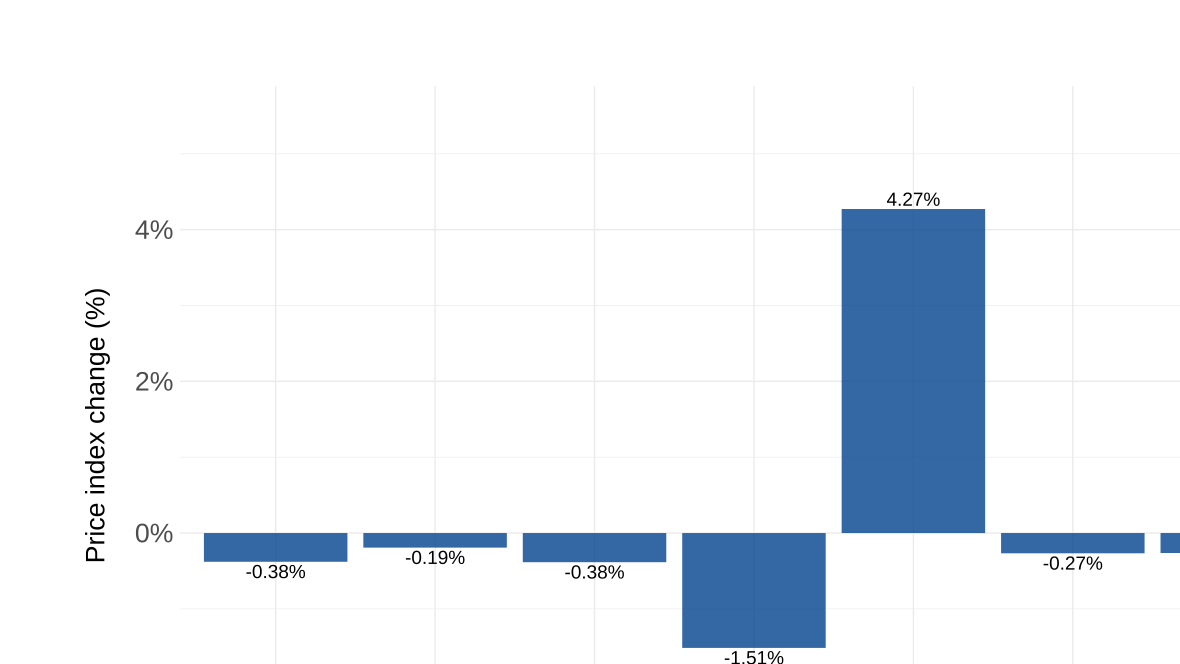
The 90-day “tariff pause” between the US and China is expected to provide noticeable short-term relief, especially for the US economy. Simulations using the KITE model from the Kiel Institute for the World Economy indicate that inflationary pressure in the US may decrease. Current calculations suggest that prices will rise by around 4.3 percent in the short term, which is 1.2 percentage points lower than under the escalated tariff levels with up to an additional 145 percent tariffs from before.
“In the coming weeks, we expect a significant rush to the ports as many shipments held back due to high tariffs and uncertainty are now processed. Nonetheless, tariff levels remain significantly higher than before the Trump presidency, and it remains unclear what will happen after the 90-day pause,” said Hendrik Mahlkow, researcher in the Trade Policy Research Group at the Kiel Institute for the World Economy.
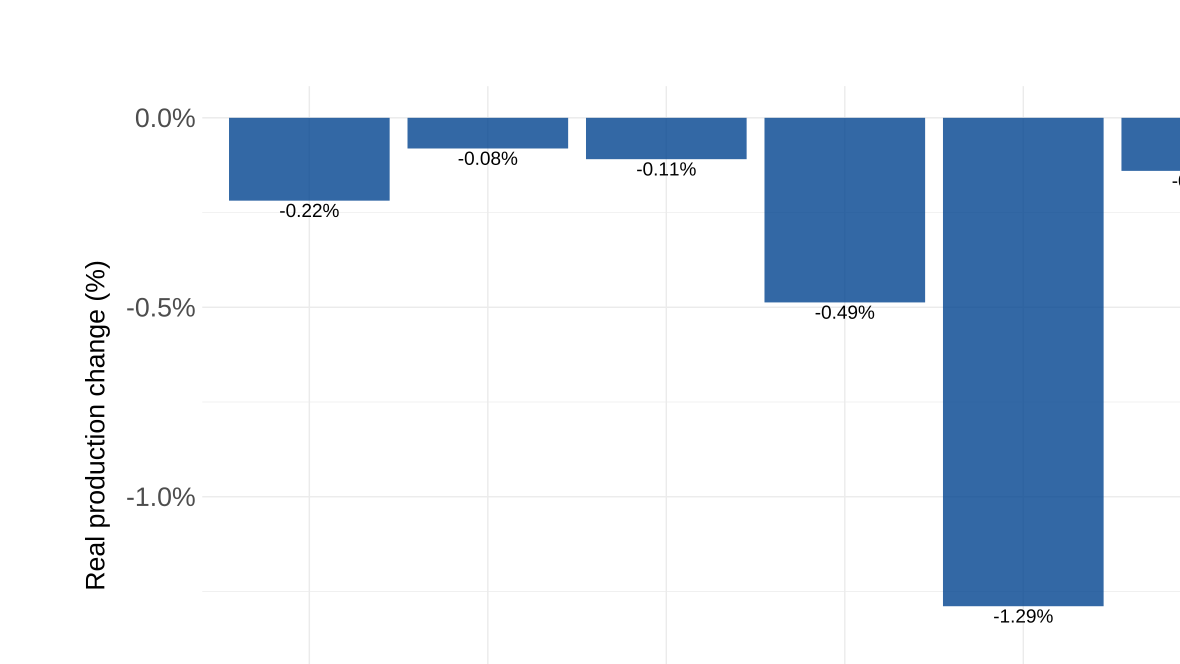
The economic output of the US is also expected to suffer less in the short term as the costs of imported intermediate products decrease. Initial estimates indicate a reduction in negative GDP impacts from previously -1.6 percent to now -1.3 percent compared to a scenario without tariffs.
Minimal impacts for Germany and the EU
For Germany and the EU, the effects of the tariff pause remain minimal. The already moderate impacts of the trade conflict change only marginally due to this temporary relief. “Neither Germany nor other EU countries are substantially affected, as the US tariff regime continues to apply globally. However, uncertainty remains, and European businesses must continue to prepare for a volatile situation,” Mahlkow added.
Global situation slightly improves
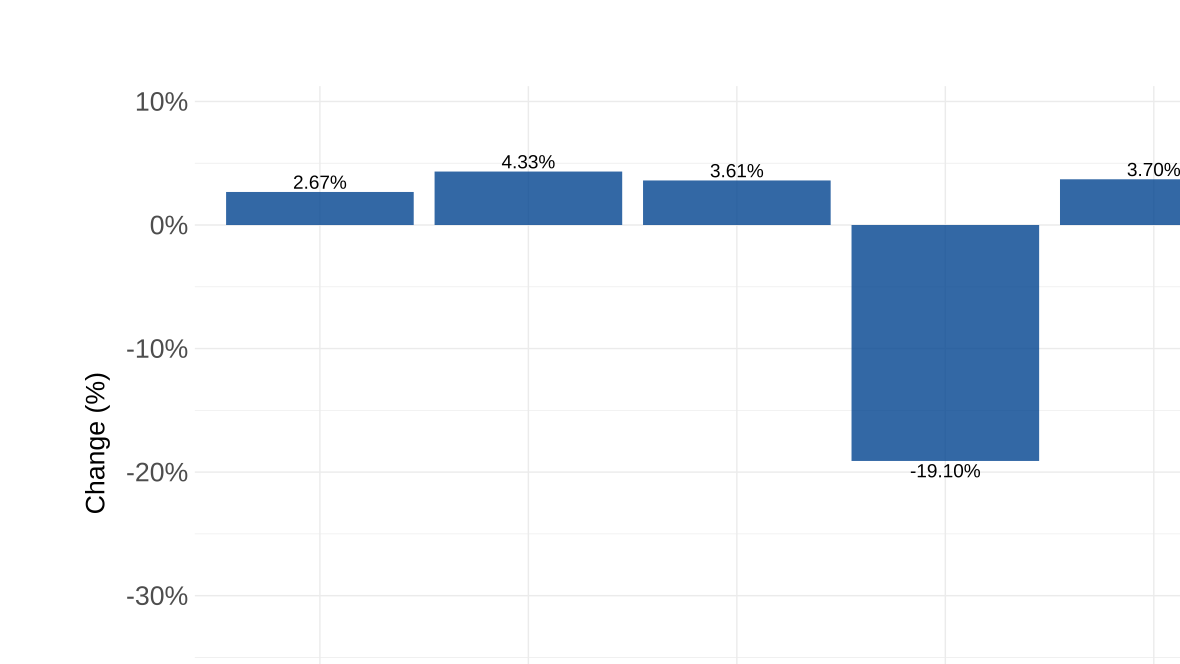
Globally, the situation is also expected to improve slightly in the short term, albeit less than in the US and China. Simulations indicate that global trade will decline less sharply in the short term compared to previously much higher tariff rates of up to +145 percent. Exports from China to the US are now expected to fall by only 19 percent within a year, with global trade decreasing by 0.65 percent.
Julian Hinz, Research Director for Trade Policy at the Kiel Institute for the World Economy, emphasizes nonetheless: “Trade means prosperity. The EU should use this pause to continue positioning itself as an open and reliable partner in global trade. Only in this way can further escalation and economic isolation be avoided.”
The Kiel Institute for the World Economy will continue to monitor developments with current data and analyses through the Kiel Trade and Tariffs Monitor.