Franco-German non-paper points in the right direction but is not yet a strategy
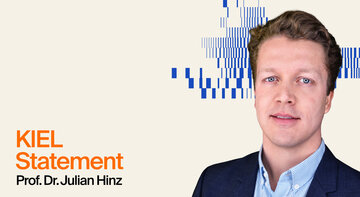
Julian Hinz, head of the Trade Policy research group at the Kiel Institute for the World Economy, comments on the Franco-German non-paper of October 5 on European resilience, global imbalances and market distortions:
"The paper points in the right direction: Berlin and Paris are betting on the collective strength of the EU. Access to the single market is Europe's greatest source of leverage, and it is leverage no member state has on its own. It is also welcome that the proposed new response instrument is country-neutral. Dependencies and pressure do not come from China alone.
When it comes to the tools themselves, however, the paper relies largely on familiar ones: more and faster trade defense cases, more resources for the agencies that handle them, and a long list of other items, from an EU customs fee on small parcels to measures against currency manipulation. In the process, several goals get muddled together: fair competition, reducing dependencies in strategic sectors, and protecting jobs. Each of these goals needs its own instrument. An anti-dumping duty on chemicals can offset unfair pricing, but it does nothing to make a supply chain more secure. Where security is at stake, Europe should say so openly and act in a targeted way, only in the sectors that are truly critical. Global trade rules leave room for exactly that.
The paper does speak of open, rules-based trade, yet it makes no mention whatsoever of the World Trade Organization. Rules-based trade is the foundation of our prosperity. Germany in particular depends on its exports not being at the mercy of other countries' whims. Treating the rules as an afterthought squanders credibility, along with the partners Europe needs if it is to diversify.
Europe is right to want to protect itself better. To turn that into a strategy, it needs the right instrument for each goal, grounded in the very rules from which Europe itself benefits most."